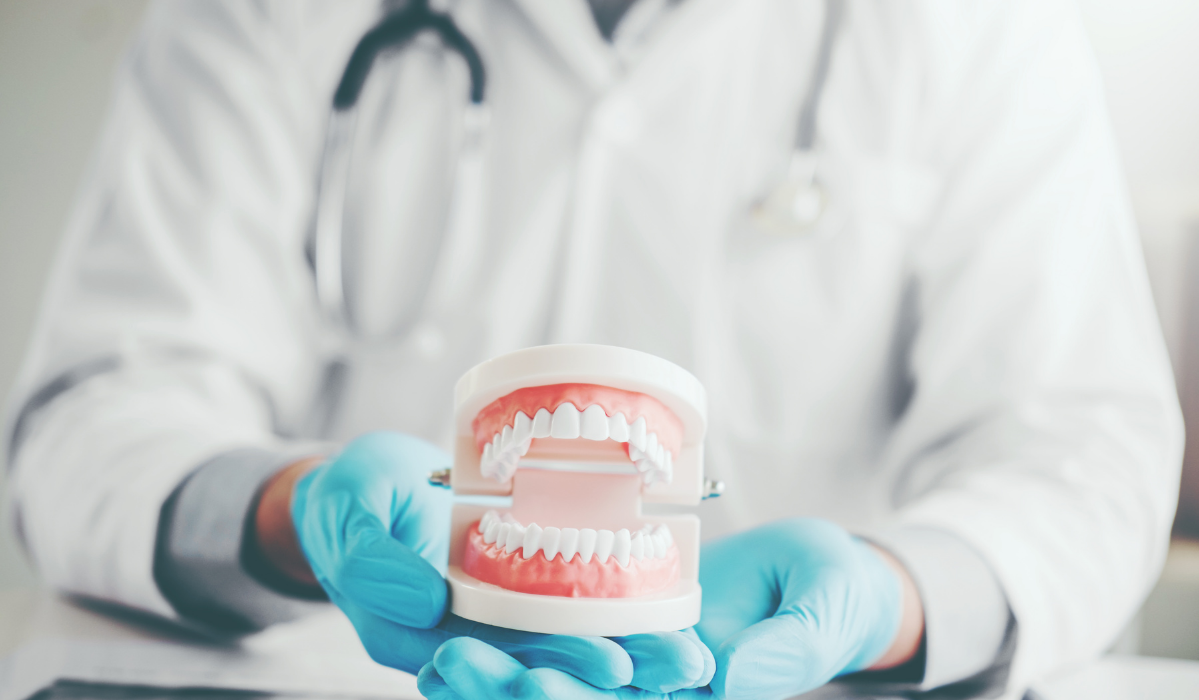
Dental implants and dentures both replace missing teeth, but they differ significantly in function, cost, and long-term outcomes. Patients considering tooth replacement options often struggle to decide between dental implants and traditional dentures. At Pavilion Dentistry in St. Catharines, the dental team helps patients understand these differences to make informed decisions about their oral health restoration.
Understanding Dental Implants and Dentures
Implants are titanium posts surgically placed into the jawbone to serve as artificial tooth roots. These posts support individual crowns, bridges, or even full-arch dentures. Implants integrate with bone tissue, creating permanent, stable tooth replacements.
Traditional dentures are removable prosthetic devices that rest on the gums. Complete dentures replace all teeth in an arch, while partial dentures fill gaps between remaining natural teeth. Dentures rely on suction, adhesives, or clasps for retention.
Key Differences Between Implants and Dentures:
- Implants are permanent, dentures are removable
- Dental implants require surgery, dentures do not
- Implants preserve bone, dentures allow bone loss
- Dental implants function like natural teeth
- Initial costs differ significantly between options
Understanding these fundamental differences helps patients evaluate which option best suits their needs, lifestyle, and budget.
Functionality Differences: Implants vs. Dentures
Chewing Efficiency and Food Choices
Dental implants restore nearly 100% of natural chewing force, while dentures typically provide only 25-50% of normal biting power. This difference significantly impacts diet and nutrition.
Chewing with Implants:
- Bite force comparable to natural teeth
- No food restrictions or limitations
- Stable during chewing without movement
- Allows enjoyment of crunchy, chewy foods
- Maintains proper nutrition through varied diet
Chewing with Dentures:
- Reduced bite force limits food choices
- Avoid hard, sticky, or tough foods
- May shift or move during chewing
- Requires cutting food into smaller pieces
- Can lead to nutritional deficiencies
Patients with dental implants report greater satisfaction with eating experiences compared to those wearing dentures. The ability to eat favorite foods without worry improves quality of life significantly.
Speech Clarity and Confidence
Both implants and dentures affect speech, but in different ways. Dental implants typically cause fewer speech problems than traditional dentures.
Speech with Implants:
- Minimal impact on speech patterns
- No bulky material affecting tongue movement
- Stable during speaking without clicking
- Natural feel allows confident communication
- Brief adjustment period after placement
Speech with Dentures:
- May cause lisping or slurring initially
- Upper dentures cover palate affecting pronunciation
- Can click or shift during speaking
- Requires practice to speak clearly
- Ongoing adjustments may be needed
Many denture wearers adapt to speech changes over time. However, dental implants eliminate most speech concerns from the start, providing more natural communication.
Comfort and Daily Living
Comfort levels differ dramatically between dental implants and dentures, affecting daily activities and overall satisfaction.
Comfort with Dental Implants:
- Feel and function like natural teeth
- No removal required for sleeping
- No sore spots or gum irritation
- Stable during all activities
- Forget they’re not natural teeth
Comfort with Dentures:
- May cause sore spots requiring adjustments
- Must be removed nightly for cleaning
- Can feel bulky or unnatural
- May slip during laughing or sneezing
- Constant awareness of wearing prosthetics
The dental team at Pavilion Dentistry in St. Catharines helps patients understand how these comfort differences impact daily life and long-term satisfaction.
Bone Preservation: Dental Implants vs. Dentures
How Dental Implants Preserve Bone
Implants provide crucial stimulation to jawbone tissue, preventing the bone loss that naturally occurs after tooth loss. This preservation maintains facial structure and oral health.
Bone Preservation Benefits of Dental Implants:
- Titanium posts stimulate bone like natural roots
- Prevents progressive bone resorption
- Maintains jawbone density and volume
- Preserves facial structure and appearance
- Supports adjacent teeth and tissues
When teeth are lost, the jawbone no longer receives stimulation from chewing forces. Dental implants restore this stimulation, signaling the body to maintain bone tissue. This biological process keeps the jaw healthy and strong.
Long-Term Structural Benefits:
- Facial height and proportions remain stable
- Prevents sunken or aged appearance
- Maintains lip support and facial fullness
- Preserves ridge height for future treatments
- Reduces risk of additional tooth loss
Bone Loss Associated with Dentures
Traditional dentures rest on gum tissue without providing bone stimulation. This leads to progressive bone resorption that accelerates over time.
Bone Loss Progression with Dentures:
- Year 1: 25% of bone height may be lost
- Years 2-10: Continued gradual bone loss
- After 10 years: 50-60% of bone may be gone
- Accelerates with lower dentures
- Creates fitting problems requiring frequent adjustments
Consequences of Bone Loss:
- Dentures become loose and ill-fitting
- Facial appearance changes dramatically
- Increased wrinkles around mouth
- Sunken cheeks and thin lips
- Difficulty eating and speaking worsens
- May eventually prevent denture wear
Impact on Future Treatment Options:
- Severe bone loss complicates dental implants placement
- May require extensive bone grafting
- Increases treatment complexity and cost
- Some cases become untreatable
- Limits restoration possibilities
Implant-Supported Dentures: Middle Ground Solution
Implant-supported dentures combine benefits of both options, using dental implants to retain removable or fixed dentures. This approach preserves bone while costing less than full dental implants.
Implant-Supported Denture Options:
- Removable overdentures on 2-4 dental implants
- Fixed dentures on 4-6 dental implants (All-on-4)
- Bar-retained or ball-retained attachments
- Provides stability with fewer implants
- Preserves bone through implant stimulation
Benefits of Hybrid Approach:
- More affordable than individual dental implants
- Prevents bone loss like traditional dental implants
- Greater stability than conventional dentures
- Improved chewing efficiency and comfort
- Easier cleaning than fixed restorations
Making the Right Choice: Dental Implants or Dentures
Factors Influencing Treatment Selection
Several considerations help determine whether dental implants or dentures better suit individual needs and circumstances.
Candidacy Factors for Dental Implants:
- Adequate bone density and volume
- Good overall health for surgery
- Non-smoker or willing to quit
- Commitment to oral hygiene
- Ability to invest in long-term solution
Situations Favoring Dentures:
- Insufficient bone for dental implants
- Medical conditions preventing surgery
- Budget constraints for initial treatment
- Need for immediate tooth replacement
- Preference for non-surgical option
Questions to Consider:
- What is your long-term budget for tooth replacement?
- How important is eating your favorite foods?
- Do you want a permanent or removable solution?
- Are you comfortable with surgical procedures?
- How much time can you dedicate to treatment?
Consultation and Treatment Planning
Professional evaluation helps determine the best tooth replacement option. The dental team at Pavilion Dentistry in St. Catharines provides comprehensive assessments and personalized recommendations.
Comprehensive Evaluation Includes:
- Clinical examination of oral health
- 3D imaging to assess bone structure
- Medical history review for surgical candidacy
- Discussion of goals and expectations
- Detailed cost breakdown and financing options
Many patients discover they’re better candidates for dental implants than initially expected. Others find that implant-supported dentures provide an ideal compromise between cost and function.
At Pavilion Dentistry in St. Catharines, the experienced dental team guides patients through tooth replacement decisions with honest, thorough information. Understanding the true differences between dental implants and dentures empowers patients to choose the option that best fits their lifestyle and goals.
Ready to explore tooth replacement options? Contact Pavilion Dentistry at 905-641-2242 to schedule a comprehensive consultation and learn whether dental implants or dentures are right for you.
0 Comments