Dental implants boast success rates exceeding 95 percent, making them one of the most reliable tooth replacement options available. However, like any medical procedure, complications can occasionally occur. Understanding the warning signs of potential problems and knowing how to prevent them protects your investment and your oral health.
As a dentist who has placed and restored many dental implants in St. Catharines, I want you to feel confident about your treatment. Let me explain what to watch for, what increases your risk, and how we address problems if they arise.
Understanding Dental Implants Success and Failure
Before discussing complications, it’s helpful to understand what “success” means for dental implants.
What Successful Integration Looks Like
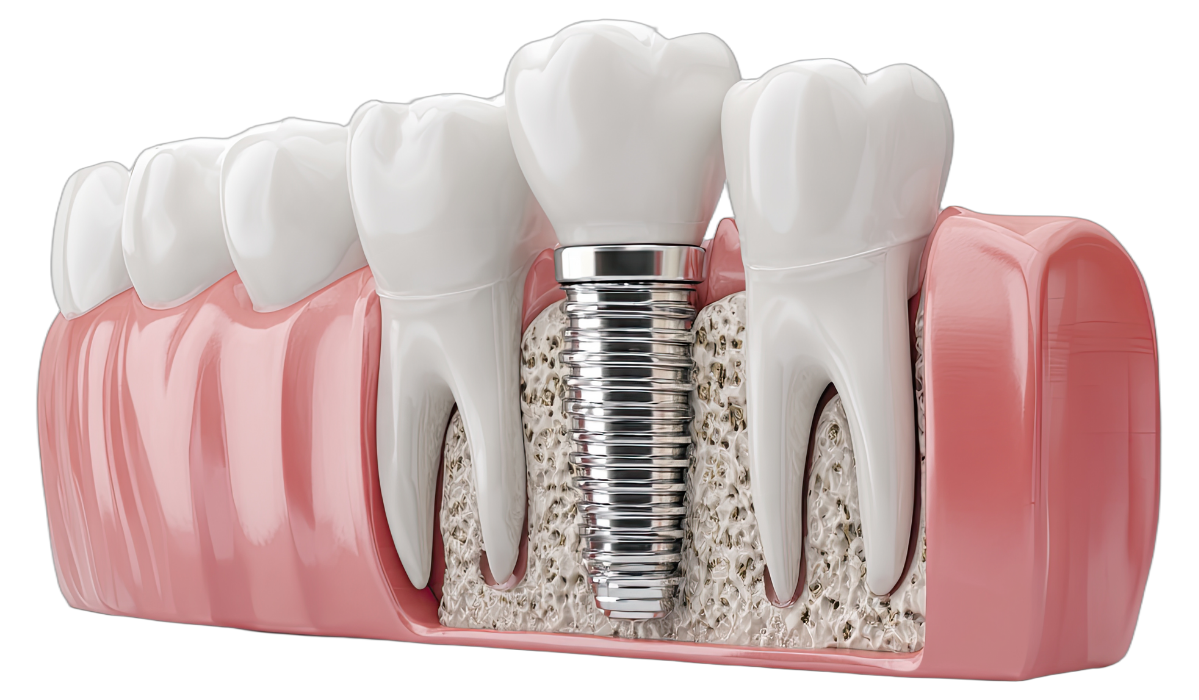
Successful dental implants fuse with your jawbone through a process called osseointegration. Over three to six months following placement, bone cells grow around the titanium post, anchoring it permanently. Once healed, the implant should feel stable, comfortable, and function exactly like a natural tooth root.
You shouldn’t feel pain, experience movement, or notice inflammation around a properly integrated implant. The surrounding gum tissue should appear healthy and pink, fitting snugly around the implant restoration.
Types of Implant Failure
Dental implants can fail at different stages. Early failure occurs during the initial healing period before osseointegration completes. This typically happens within the first three to four months after placement.
Late failure develops after successful integration, sometimes years after placement. These failures often result from infection or progressive bone loss around the implant. Late failures are less common but require prompt attention when they occur.
Early Warning Signs of Implant Complications
Recognizing problems early dramatically improves treatment outcomes. Here are the key warning signs that something might be wrong with your dental implants.
Pain and Discomfort
Some discomfort immediately after implant surgery is normal and should gradually decrease over several days. However, pain that intensifies, persists beyond the initial healing period, or develops after months or years indicates a problem.
Sharp pain when biting or chewing suggests the implant may not be integrating properly. Throbbing pain often signals infection. Constant, dull aching can indicate bone loss or nerve issues. Never ignore persistent pain around dental implants, even if it seems mild.
Swelling and Inflammation
Minor swelling immediately after surgery is expected and typically resolves within a week. Swelling that worsens after the first few days, returns after initially improving, or develops around a previously healed implant requires evaluation.
Red, puffy gums around the implant indicate inflammation. Healthy gum tissue should be pale pink and firm. If you notice increasing redness or swelling, contact Pavilion Dentistry promptly.
Implant Mobility
A properly integrated implant should feel completely stable, just like a natural tooth. Any movement, no matter how slight, indicates failure of osseointegration or bone loss around the implant.
Test for mobility by gently pressing on the implant crown with your finger or tongue. If you detect any wiggling, shifting, or rocking motion, schedule an immediate appointment. Early detection of mobility allows for intervention before complete failure occurs.
Bleeding and Discharge
Light bleeding during the first 24 to 48 hours after surgery is normal. However, persistent bleeding beyond this period or bleeding that develops around a healed implant signals problems.
Pus or discharge around the implant definitely indicates infection. The discharge may be yellow, white, or blood-tinged and often has an unpleasant taste or odor. Infection around dental implants, called peri-implantitis, requires immediate professional treatment.
Difficulty Chewing
Dental implants should allow you to chew comfortably and confidently. Difficulty biting, sensitivity when eating, or avoiding certain foods because of discomfort around the implant suggests complications.
If the implant crown feels higher than surrounding teeth or your bite feels “off,” the restoration may not be properly positioned. While this doesn’t always indicate implant failure, it can create excessive force that damages the implant over time.
Visual Changes
Examine your dental implants regularly in a mirror. The implant crown should blend seamlessly with surrounding teeth in colour and contour. The gum tissue should hug the restoration snugly without gaps or recession.
Increasing gum recession that exposes the metal implant post indicates bone loss. Visible threads on the implant surface that weren’t previously visible signal progressive problems. Grey discolouration of the gum tissue sometimes indicates metal showing through thin tissue.
Risk Factors That Increase Failure Rates
While most patients enjoy successful dental implants, certain factors increase complication risk. Understanding these helps you take preventive action.
Smoking and Tobacco Use
Smoking is the single most significant modifiable risk factor for implant failure. Nicotine constricts blood vessels, reducing blood flow to the surgical site. This impairs healing and prevents proper bone integration.
Research shows smokers experience implant failure rates two to three times higher than non-smokers. The risk increases with the number of cigarettes smoked daily. Even secondhand smoke exposure can negatively impact healing.
At Pavilion Dentistry in St. Catharines, we strongly recommend smoking cessation before implant placement. Ideally, stop smoking at least two weeks before surgery and avoid tobacco throughout the healing period. Better yet, use this as motivation to quit permanently.
Vaping poses similar risks. While research is still emerging, the nicotine in vape products likely affects healing comparably to traditional cigarettes.
Poor Oral Hygiene
Bacteria cause most late implant failures. Just like natural teeth, dental implants require daily cleaning to prevent bacterial accumulation. Plaque and tartar buildup lead to gum inflammation around implants, progressing to bone loss if untreated.
Poor oral hygiene allows bacteria to colonize the implant surface and surrounding tissues. The resulting infection, peri-implantitis, destroys bone supporting the implant. Once significant bone loss occurs, saving the implant becomes difficult or impossible.
Patients who struggled with gum disease before receiving implants face higher failure risk. The same bacteria causing periodontal disease affect dental implants. Establishing excellent oral hygiene habits before implant placement is essential.
Uncontrolled Diabetes
Diabetes affects healing and immune function. High blood sugar levels impair the body’s ability to fight infection and slow tissue repair. Patients with poorly controlled diabetes experience higher implant failure rates.
However, well-controlled diabetes doesn’t significantly increase risk. If your hemoglobin A1C is consistently below 7 percent, your implant success rates approach those of non-diabetic patients. Work with your physician to optimize blood sugar control before and after implant surgery.
Insufficient Bone Quality or Quantity
Dental implants require adequate bone to support them. Patients with significant bone loss from long-term tooth absence, gum disease, or certain medical conditions may lack sufficient bone for successful implant placement.
Bone density matters too. Some medical conditions and medications reduce bone density, compromising the foundation for dental implants. Your dentist evaluates bone quality using CT scans before recommending implant treatment.
Bone grafting can address insufficient bone in many cases. This procedure adds bone material to deficient areas, creating a solid foundation for future implant placement. While grafting extends treatment time, it dramatically improves success rates when bone is inadequate.
Teeth Grinding and Clenching
Bruxism, or teeth grinding, creates excessive force on dental implants. While implants can withstand normal chewing forces, constant grinding and clenching can damage the implant, restoration, or surrounding bone.
Many people grind their teeth during sleep without realizing it. Signs include jaw pain, headaches, worn tooth surfaces, and broken dental work. If you grind your teeth, a custom night guard protects your dental implants from excessive force.
Certain Medications
Some medications affect bone metabolism or healing. Bisphosphonates, used to treat osteoporosis and certain cancers, can impair bone healing around dental implants. These medications increase the risk of osteonecrosis, a serious complication where bone tissue dies.
Immunosuppressant medications taken after organ transplants or for autoimmune conditions reduce the body’s ability to fight infection and heal properly. Chemotherapy and radiation therapy, particularly to the head and neck area, also increase complication risk.
Always inform your dentist about all medications you take, including supplements. We can modify treatment timing or take additional precautions based on your medication regimen.
Immediate Loading
Some implant protocols place the restoration on the same day as implant surgery. While convenient, immediate loading increases failure risk compared to traditional delayed loading. The implant needs time to integrate before bearing chewing forces.
Immediate loading works best in ideal conditions: excellent bone quality, good patient health, and strategic implant positioning. Your dentist at Pavilion Dentistry will discuss whether immediate or delayed loading suits your situation.
Prevention Strategies for Long-Term Success
Protecting your dental implants investment requires ongoing commitment. These strategies minimize failure risk and promote lasting success.
Maintain Excellent Oral Hygiene
Brush your teeth twice daily using a soft-bristled toothbrush. Pay special attention to the area where the implant crown meets the gum tissue. Bacteria accumulate here easily, so thorough cleaning is essential.
Floss daily around dental implants using regular floss, implant-specific floss, or a water flosser. These tools remove plaque from between teeth and around the implant base where your toothbrush can’t reach.
Use an antibacterial mouthwash to reduce bacterial load in your mouth. Choose an alcohol-free formula to avoid drying tissues. Rinse for the recommended duration to maximize effectiveness.
Attend Regular Dental Checkups
Professional cleanings and examinations are crucial for implant longevity. Visit Pavilion Dentistry at 59 Queen Street in St. Catharines every six months, or more frequently if recommended.
During these visits, we remove hardened tartar that home care can’t eliminate. We also examine your dental implants for early signs of complications, check bone levels around implants using X-rays, and ensure your bite remains properly balanced.
Catching problems early allows for conservative intervention. Waiting until symptoms become severe limits treatment options and reduces success rates.
Control Systemic Health Conditions
Manage diabetes, autoimmune conditions, and other health issues that affect healing and immune function. Work with your physician to optimize treatment and maintain healthy blood sugar, blood pressure, and cholesterol levels.
Inform both your physician and dentist about your dental implants. Coordinated care ensures medications and treatments support rather than compromise implant health.
Avoid Harmful Habits
Stop smoking and using tobacco products. If you haven’t quit yet, reduce consumption as much as possible and avoid smoking immediately before and after any dental procedures.
Don’t chew ice, hard candy, or other extremely hard objects. While dental implants are strong, excessive force can damage the restoration or compromise the bone interface.
Avoid using your teeth as tools to open packages, hold objects, or bite nails. These habits create unnecessary stress on dental implants.
Wear Protective Devices When Needed
If you grind your teeth, wear a custom night guard faithfully. This simple device prevents damage from nocturnal bruxism and significantly extends implant lifespan.
Athletes should wear mouth guards during contact sports. Trauma can damage dental implants just like natural teeth. A properly fitted mouth guard provides essential protection.
Follow Post-Operative Instructions Carefully
After implant placement, follow all post-operative instructions precisely. These guidelines optimize healing and integration. Take prescribed antibiotics completely, even if you feel fine. Use pain medications as directed to stay comfortable without overexertion.
Eat soft foods during the initial healing period. Avoid the surgical site when chewing. Maintain oral hygiene carefully while respecting healing tissues. Don’t smoke, drink alcohol, or use straws during early healing.
Salvage Procedures and Treatment Options
Despite best efforts, some dental implants fail. When this happens, several treatment options can restore your smile.
Implant Removal and Healing
The first step when an implant fails is removal. This procedure is typically straightforward if caught early. We numb the area, unscrew the implant crown and abutment, and gently remove the implant post.
The socket then needs time to heal before considering replacement. Healing duration varies from several weeks to several months depending on infection severity and bone condition. During this time, we may place a temporary restoration to maintain appearance and function.
Bone Grafting for Future Replacement
Failed dental implants often leave bone defects. Bone grafting fills these defects and rebuilds the foundation for a new implant. Graft material can come from your own body, donor sources, or synthetic materials.
The graft needs three to six months to mature before placing a new implant. While this extends treatment time, proper grafting dramatically improves the success rate of replacement implants.
Antibiotic Therapy
If infection caused the failure, aggressive antibiotic treatment eliminates bacteria before attempting replacement. Sometimes systemic antibiotics alone are sufficient. Other cases require local antibiotic placement directly into the affected area.
Treating the infection thoroughly before replacing the implant prevents repeat failure. We may also recommend antibacterial mouth rinses and enhanced hygiene protocols.
Alternative Restoration Options
Some patients choose not to replace failed dental implants. In these cases, traditional bridges or removable partial dentures can restore the missing tooth. While these options don’t provide the same benefits as implants, they offer functional and aesthetic improvements.
The best alternative depends on the location of the missing tooth, condition of adjacent teeth, and your preferences and budget.
Modified Implant Placement
When replacing a failed implant, we may use different strategies to improve success. This might include placing the implant at a slightly different angle or position, using a longer or wider implant diameter, or employing advanced surface treatments that enhance osseointegration.
Computer-guided implant surgery improves precision and allows optimal positioning even in compromised bone. This technology, available at Pavilion Dentistry, increases success rates for challenging cases.
The Importance of Early Intervention
The key message I want you to remember is this: early detection and treatment of implant complications dramatically improve outcomes. Don’t ignore warning signs or delay seeking care.
A slightly mobile implant detected early might be stabilized and saved. The same implant left untreated will fail completely and potentially damage surrounding bone and teeth. Mild inflammation caught early responds to enhanced hygiene and professional cleaning. Advanced infection requires aggressive treatment and may necessitate implant removal.
Trust your instincts. If something feels wrong with your dental implants, it probably is. Even if symptoms seem minor, schedule an evaluation. What seems like a small problem can quickly become serious without intervention.
Your Partner in Implant Success
At Pavilion Dentistry, we’re committed to your long-term implant success. We provide thorough pre-treatment evaluation to identify and address risk factors before placement. We use proven techniques and quality materials that maximize success rates. We offer clear post-operative instructions and support throughout healing.
Most importantly, we’re here if problems arise. Early detection and treatment of complications can often save dental implants that might otherwise fail.
If you have dental implants and notice any concerning symptoms, don’t wait. Contact us immediately at 905-641-2242. We’re located at 59 Queen Street in St. Catharines and ready to address your concerns promptly.
If you’re considering dental implants and want to understand your personal risk factors, schedule a consultation. We’ll evaluate your oral health, discuss your medical history, and create a treatment plan that maximizes your chances of lasting success.
Dental implants remain one of the most successful tooth replacement options available. With proper care, early problem detection, and professional support, your implants can serve you beautifully for decades to come.
0 Comments