
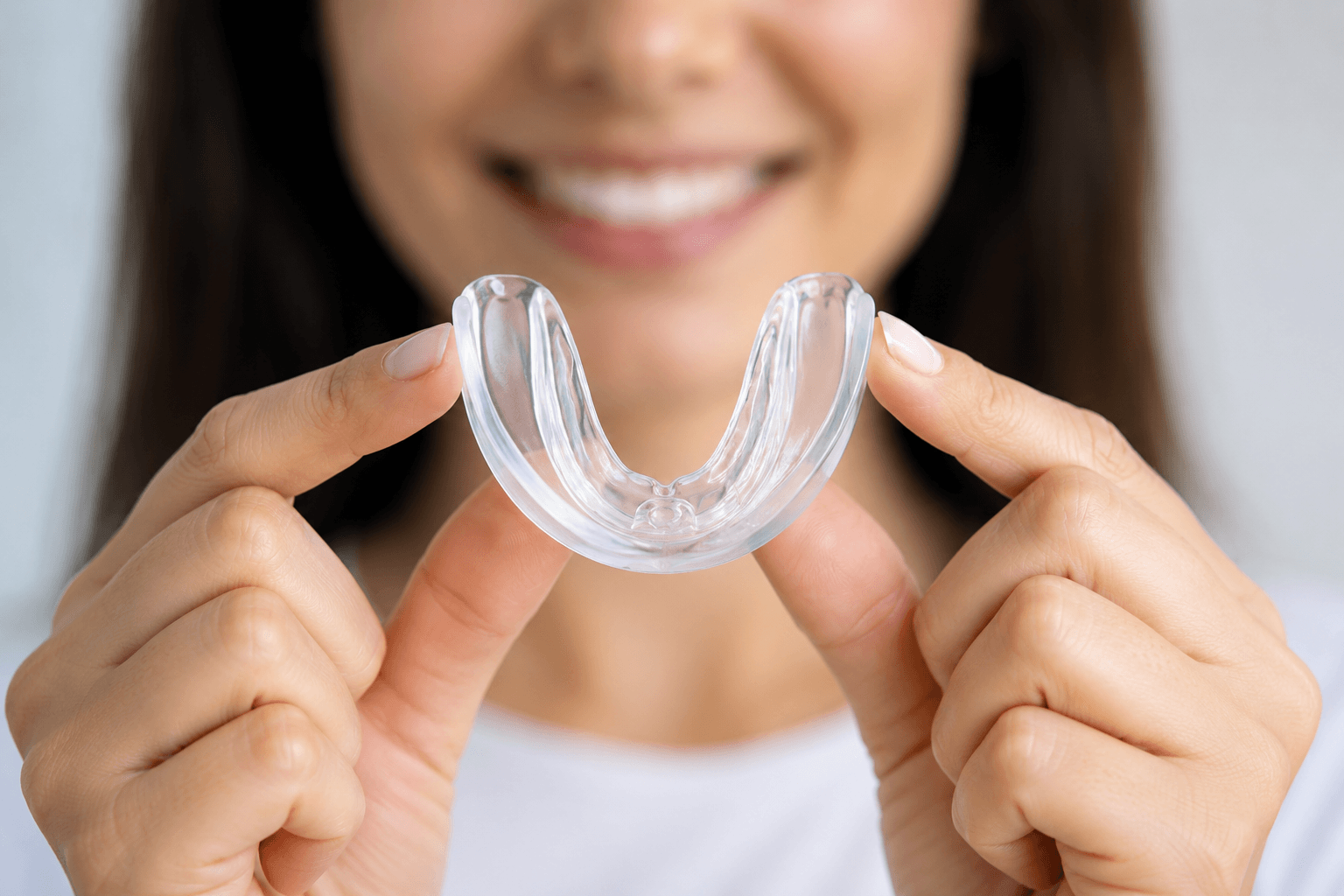
Recurring jaw tension on waking, unexplained tooth wear or sensitivity, headaches, or a partner hearing grinding can be reasons to book a dental assessment. These symptoms can have different causes, so a night guard is not automatically right for everyone.
Many people do not realize they grind or clench their teeth at night until symptoms begin to appear. Because it happens during sleep, the signs are often subtle at first. A person may wake up with a sore jaw, notice increased tooth sensitivity, or hear from a partner that they make grinding noises overnight.
While teeth grinding at night is relatively common, it should not be self-diagnosed. Similar symptoms can be linked to other oral health concerns, which is why a professional evaluation is often the best place to start. Understanding what signs to look for can help you decide whether it may be time to discuss the issue with a dentist.
Common Signs You May Be Grinding Your Teeth at Night
Teeth grinding, sometimes referred to as sleep bruxism, can affect people in different ways. Some individuals experience several symptoms, while others notice only one or two.
Jaw tension is one of the most frequently reported concerns. Some people wake up feeling as though they have been clenching their jaw throughout the night. The muscles around the jaw may feel tired, tight, or uncomfortable first thing in the morning.
Headaches can also be part of the picture. Morning headaches are not always related to teeth grinding, but recurring discomfort after waking may be worth discussing during a dental appointment.
Tooth sensitivity is another possible sign. Repeated grinding can place pressure on teeth over time, which may contribute to sensitivity when eating or drinking hot, cold, or sweet foods.
Other signs people sometimes notice include:
- Flattened or worn tooth surfaces
- Small chips or cracks in teeth
- Discomfort when chewing
- Tight facial muscles upon waking
- Interrupted sleep
- Reports of grinding noises from a partner
These symptoms do not automatically mean that teeth grinding is occurring. However, if several of them are present, a dental assessment can help determine whether grinding may be contributing to the problem.
If concerns are identified during an examination, a dentist may discuss whether night guards for teeth grinding could be appropriate based on your specific situation.
Why Teeth Grinding Can Affect Your Teeth and Jaw
The forces created by clenching and grinding can be surprisingly strong.
Unlike normal chewing, which occurs intermittently throughout the day, grinding may involve prolonged pressure being placed on the teeth and jaw muscles during sleep. Over time, this repeated force can contribute to changes in the way teeth and supporting structures are affected.
One concern is tooth wear. Teeth are designed to handle everyday chewing, but repeated grinding may gradually wear down enamel. In some situations, this can make teeth appear flatter or more worn than expected.
The jaw muscles can also be affected. People who clench their teeth overnight sometimes report waking with soreness, fatigue, or tension around the jaw area. Some notice that the discomfort improves as the day progresses, while others continue to feel tightness throughout the morning.
Existing dental work may also experience additional stress. Fillings, crowns, and other restorations are designed to withstand normal function, but grinding can place extra pressure on these surfaces.
It is important to remember that symptoms alone cannot confirm a diagnosis. Tooth sensitivity, headaches, and jaw discomfort can occur for several reasons. That is why dentists focus on evaluating both symptoms and clinical findings before making recommendations.
What a Custom Night Guard Does
A custom night guard is an oral appliance designed to be worn while sleeping.
Rather than stopping teeth grinding entirely, a night guard is generally intended to create a protective barrier between the upper and lower teeth. This may help reduce direct contact between tooth surfaces and limit some of the wear associated with grinding or clenching.
Because the appliance is made specifically for the individual, it is designed to fit the unique shape of the patient’s teeth and bite. Comfort, fit, and overall function are important considerations when creating a custom appliance.
People sometimes assume that a night guard is recommended whenever teeth grinding is suspected. In reality, recommendations depend on a number of factors, including symptoms, oral health findings, and what a dentist observes during an examination.
For patients in St. Catharines who are noticing recurring jaw tension, unexplained tooth wear, or other possible bruxism symptoms, discussing concerns early can provide valuable information about what may be contributing to those issues and whether further evaluation is warranted.
Why a Dental Assessment Matters Before Choosing a Night Guard
It can be tempting to purchase a night guard as soon as symptoms appear. However, morning headaches, jaw discomfort, tooth sensitivity, and visible wear can have several possible causes. While teeth grinding may be one explanation, it is not the only one.
That is why a professional assessment is important. During a dental exam, a dentist can evaluate your teeth, bite, existing dental work, and any signs of wear that may be present. They can also discuss your symptoms, review your oral health history, and determine whether nighttime grinding may be contributing to what you are experiencing.
This process helps avoid guesswork. Symptoms that seem straightforward may sometimes have other contributing factors, which is why recommendations should be based on clinical findings rather than assumptions.
For many people, the assessment provides peace of mind. Even when teeth grinding is suspected, understanding the extent of any wear and discussing available options can make it easier to decide what steps, if any, should come next.
Custom vs. Store-Bought Night Guards
People researching solutions for nighttime grinding often discover over-the-counter products sold online and in pharmacies. While these appliances are widely available, they differ from custom-made night guards provided through a dental office.
Store-bought guards are designed to fit a broad range of users. Some require boiling and molding at home, while others come pre-formed. Although they may seem convenient, the fit can vary significantly from person to person.
Custom night guards are made specifically for the individual using impressions or digital records of the teeth. Because they are designed around a person’s bite, they are intended to provide a more personalized fit.
Comfort is often a factor people consider when choosing an appliance. A guard that feels bulky, shifts during sleep, or does not fit properly may be difficult to wear consistently.
There is also the benefit of professional monitoring. If symptoms change over time, a dentist can evaluate both the condition of the teeth and the appliance itself. This helps ensure recommendations remain based on what is actually being observed rather than assumptions.
The goal is not simply to obtain a night guard. The goal is to understand what may be causing symptoms and determine whether a custom appliance should be part of the overall approach.
Frequently Asked Questions About Night Guards for Teeth Grinding
Can a night guard stop me from grinding my teeth?
Not necessarily.
A night guard is generally intended to help protect teeth from some of the forces associated with grinding and clenching. It should not be viewed as a guaranteed way to stop grinding altogether.
How do I know whether my night guard fits correctly?
A properly fitted appliance should feel secure and comfortable when worn as directed.
If a night guard feels loose, excessively tight, uncomfortable, or appears to affect your bite, it is a good idea to discuss those concerns with your dentist.
Can I wear a night guard with braces, crowns, or other dental work?
In many situations, a dentist can discuss whether a night guard may be appropriate alongside existing dental work or orthodontic treatment.
Because every situation is unique, recommendations should always be based on an individual assessment rather than general information alone.
Talk to Pavilion Dentistry About Teeth Grinding
Teeth grinding can be difficult to recognize because it often occurs during sleep. Jaw tension on waking, headaches, tooth sensitivity, unexplained wear, or reports of grinding from a partner can all be reasons to seek professional guidance.
For people in St. Catharines who have questions about nighttime grinding or wonder whether a custom night guard may be appropriate, speaking with a dental professional can provide clarity and individualized recommendations.
If you are experiencing ongoing symptoms or would like to discuss your concerns, contact Pavilion Dentistry to arrange an appointment and learn more about your options.
0 Comments