
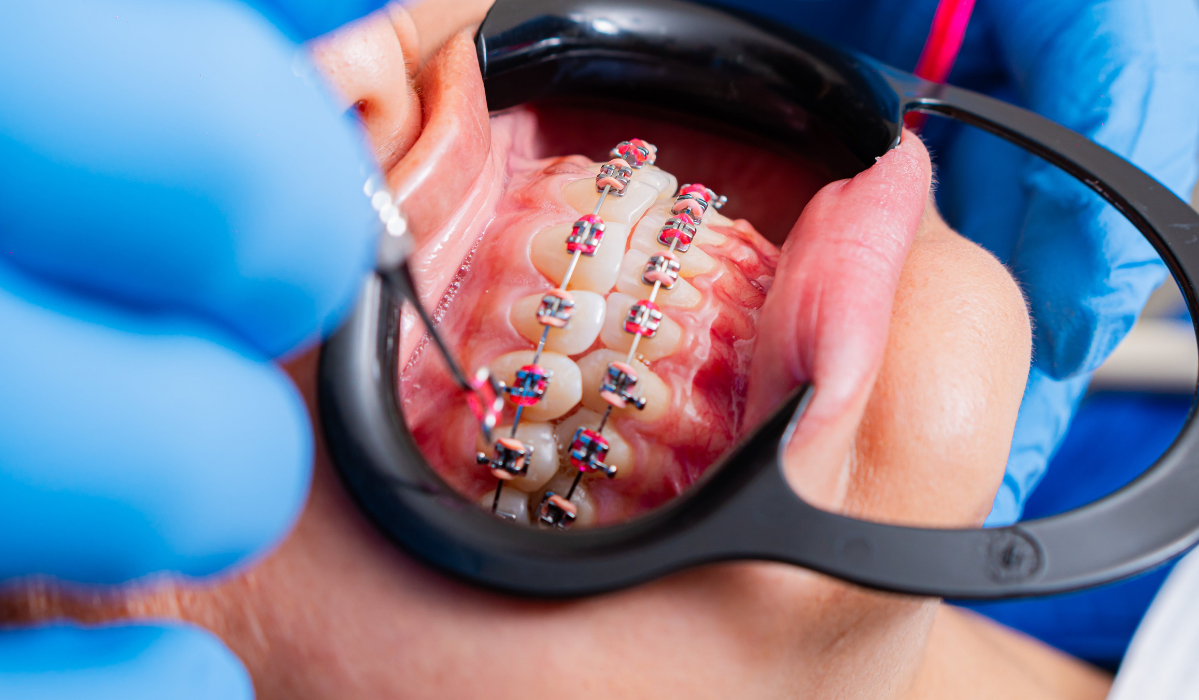
You have been counting down to this appointment for months, maybe even years. The day your braces come off is one of the most exciting milestones in your orthodontic journey. But if you have never been through it before, you might be wondering exactly what happens in that chair.
At Pavilion Dentistry in St. Catharines, we want every patient to walk into their final appointment feeling informed, relaxed, and ready to smile. Here is a complete step-by-step breakdown of what the braces removal process looks like from start to finish.
Step One: A Final Check Before Your Braces Come Off
Before anything is removed, your orthodontic team will do a quick review of your treatment progress. This confirms that your teeth have moved into their ideal positions and that your bite is properly aligned.
If everything looks good, the appointment moves forward. In some cases, a patient may need a few more weeks of wear if the teeth have not quite reached their final positions. This is not common, but it does happen. Your dental team will always be straightforward with you about where things stand.
Once you get the green light, the braces removal process officially begins.
Step Two: Removing the Brackets
The first thing your dental professional will do is remove the brackets from the surface of each tooth. This is done using a special pair of bracket-removing pliers. The tool applies a small, precise amount of pressure that breaks the bond between the bracket and the tooth enamel.
Most patients are surprised by how quick this part is. Each bracket takes only a few seconds to remove. You will likely feel some pressure and hear a small popping or cracking sound as each one releases. This is completely normal and is simply the adhesive bond breaking.
Removing braces brackets does not damage healthy tooth enamel when done correctly by a trained professional. The process is designed to be safe and controlled.
Step Three: Removing the Archwire and Bands
Once the brackets are off, the archwire (the metal wire that runs through all the brackets) is carefully removed. If you have molar bands, which are the metal rings that wrap around the back teeth, those are gently loosened and taken off as well.
At this point, all the hardware from your braces is gone. Your teeth are exposed for the first time in however long you have been in treatment. Many patients instinctively run their tongue across their teeth right at this moment. That smooth, unobstructed feeling is something patients remember for a long time.
Step Four: Cleaning Off the Adhesive
After the brackets and wires are removed, a thin layer of dental adhesive (the bonding material that held your braces in place) remains on the surface of each tooth. This needs to be carefully polished away before anything else happens.
Your dental professional will use a slow-speed handpiece with a polishing bur to gently buff the adhesive off each tooth. This step takes a bit more time than the bracket removal itself, but it is painless. Some patients feel mild vibration or slight sensitivity, particularly around the gumline. This settles quickly.
The goal is to leave each tooth surface completely smooth and clean, with no residual bonding material behind. This step is important for both the appearance of your smile and the health of your enamel going forward.
Step Five: Professional Cleaning and Polishing
Once all the adhesive is cleared, your teeth go through a thorough professional cleaning. This is one of the most satisfying parts of the entire braces removal appointment.
During active orthodontic treatment, keeping every surface of every tooth perfectly clean is challenging, even for the most diligent patients. Brackets and wires create hard-to-reach areas where plaque and staining can build up over time. The professional cleaning that follows braces removal addresses all of this directly.
Your dental team will scale the teeth to remove any tartar buildup, then polish each tooth with a professional-grade polishing paste. The result is a noticeably cleaner, brighter surface. Many patients say their teeth feel better than they ever have at this point in the appointment.
Depending on your individual needs, your dental team may also recommend a fluoride treatment to help strengthen and protect the enamel after months of wearing braces.
What Your Teeth Will Feel Like After Braces Come Off
The sensations after braces removal catch many patients off guard, simply because they are so unfamiliar. After months or years of brackets and wires, your teeth will feel incredibly smooth and slightly slippery to your tongue. Some patients describe it as strange at first, almost like your teeth do not feel like your own.
You may also notice some mild sensitivity in the first day or two. This is normal. Your teeth and the surrounding gum tissue have been under consistent pressure throughout treatment. A little tenderness as everything settles is expected and temporary.
Your bite may also feel slightly different at first. This is your muscles and jaw adjusting to the new alignment. It typically resolves within a few days as your mouth adapts.
Step Six: Impressions or Scans for Your Retainer
Before you leave the office, your dental team will take impressions or digital scans of your newly straightened teeth. These are used to create your custom retainer.
This step is non-negotiable. A retainer is what keeps your braces results in place for the long term. Without consistent retainer wear, teeth begin shifting back toward their original positions remarkably quickly, sometimes within days of treatment ending.
Depending on the type of retainer your dental team recommends, you may receive it the same day or at a follow-up appointment shortly after. Common options include:
- Removable Hawley retainers (a wire and acrylic combination)
- Clear removable retainers (similar in appearance to aligner trays)
- Fixed or bonded retainers (a thin wire bonded to the back of the front teeth)
Your dental professional at Pavilion Dentistry will recommend the best option based on your specific case and lifestyle.
Step Seven: Retainer Instructions and Aftercare
Before you leave, your dental team will walk you through how to wear and care for your retainer. Pay close attention to this part of the appointment. Retainer compliance is the single most important factor in maintaining your braces results over time.
General retainer guidelines include:
- Wear your retainer full-time for the first several months unless instructed otherwise
- Transition to nightly wear as directed by your dental team
- Clean your retainer daily with a soft brush and cool water
- Store it in its case whenever it is not in your mouth
- Contact the office immediately if your retainer is lost, broken, or no longer fits properly
Missing retainer wear, even for a short period, can lead to shifting that requires further treatment to correct.
After Your Final Braces Appointment: What Comes Next
Leaving the office on braces removal day feels like a genuine milestone, because it is. You have put in the time, followed the guidelines, and shown up to every appointment. The result is a healthier, straighter smile that is built to last.
From here, the work is simple. Wear your retainer as directed, keep up with your regular dental hygiene routine, and come in for your scheduled checkups. Straight teeth are easier to clean and maintain, which means your oral health is in a stronger position than ever before.
The team at Pavilion Dentistry in St. Catharines is proud to be part of this journey with our patients. If you have questions about the braces removal process or want to book a consultation to explore orthodontic treatment, we would love to hear from you.
Frequently Asked Questions About Braces Removal
Does removing braces hurt? Most patients experience pressure and mild discomfort rather than pain. The bracket removal is quick, and the adhesive polishing may cause brief sensitivity. Overall, the appointment is very manageable.
How long does the braces removal appointment take? The full appointment, including bracket removal, adhesive polishing, professional cleaning, and retainer impressions, typically takes between one and two hours.
Will my teeth look different right away? Yes. Your teeth will look and feel noticeably different the moment your braces come off. The professional cleaning and polishing that follows also gives the smile a fresh, clean appearance.
Can my teeth shift the same day my braces come off? Shifting can begin very quickly without a retainer in place. This is why impressions or scans for your retainer are taken at the same appointment. Wear your retainer as directed from day one.
How often should I see the dentist after braces come off? Continue with your regular dental checkups every six months. Your dental team will monitor your bite, retainer fit, and overall oral health at each visit.
Ready to take the next step toward your straightest smile? Contact Pavilion Dentistry at 59 Queen Street, St. Catharines, ON, or call us at 905-641-2242 to book your consultation today.

0 Comments