
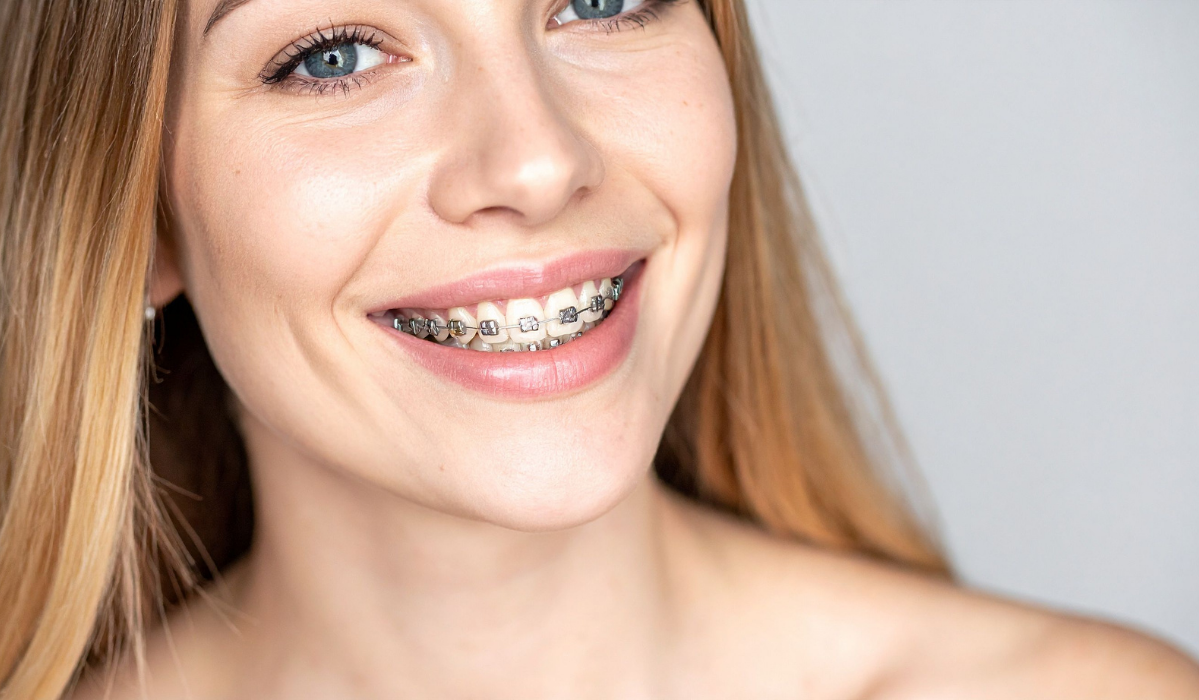
Braces transform smiles, but maintaining excellent oral health during orthodontic treatment requires extra attention and care. Patients with braces face increased risk of dental complications without proper preventive strategies. At Pavilion Dentistry in St. Catharines, the dental team works closely with patients to prevent common related oral health problems through education and regular monitoring.
Understanding Oral Health Challenges
Braces create additional surfaces where plaque and food particles can accumulate. The brackets, wires, and bands make thorough cleaning more difficult, increasing the risk of cavities and gum disease. Patients with braces must adopt enhanced oral hygiene routines to maintain healthy teeth and gums throughout treatment.
Common Oral Health Risks:
- White spot lesions from demineralization
- Cavities around brackets and bands
- Gingivitis and gum inflammation
- Enamel decalcification and staining
- Bad breath from trapped food particles
Understanding these risks helps patients with braces take proactive steps to prevent complications. Regular care and professional monitoring ensure orthodontic treatment achieves beautiful results without compromising oral health.
White Spot Lesion Prevention with Braces
Understanding White Spot Formation
White spot lesions are early signs of tooth decay that appear as chalky white marks on tooth enamel. These spots develop when plaque accumulates around brackets, producing acids that demineralize enamel. Once formed, white spots are permanent and can only be minimized, not eliminated.
Why White Spots Develop Around Braces:
- Plaque accumulation around brackets and wires
- Inadequate cleaning of hard-to-reach areas
- Frequent consumption of sugary or acidic foods
- Insufficient fluoride exposure for enamel protection
- Poor oral hygiene habits during treatment
Preventing white spots is much easier than treating them after braces removal. Patients must commit to excellent oral hygiene from the first day of orthodontic treatment.
Proper Fluoride Use for Braces Protection
Fluoride strengthens tooth enamel and helps prevent white spot lesions during treatment. Multiple fluoride sources provide optimal protection for patients undergoing orthodontic care.
Fluoride Protection Strategies for Braces:
- Fluoride Toothpaste
- Use fluoride toothpaste twice daily minimum
- Brush for full two minutes each session
- Focus on areas around brackets
- Ensure thorough coverage of all tooth surfaces
- Fluoride Mouth Rinse
- Rinse daily with fluoride mouthwash
- Use after brushing and flossing
- Swish for full 60 seconds
- Don’t eat or drink for 30 minutes after
- Professional Fluoride Treatments
- Receive fluoride varnish at dental appointments
- Higher concentration provides superior protection
- Applied directly around brackets
- Recommended every 3-6 months during treatment
- Prescription Fluoride Products
- High-risk patients may need prescription strength
- Fluoride gels or pastes used at home
- Provides extra protection for vulnerable areas
- Dentist determines appropriate products and frequency
At Pavilion Dentistry in St. Catharines, the dental team assesses individual fluoride needs and recommends appropriate products for patients with braces.
Dietary Modifications for Protection
Diet plays a crucial role in preventing white spots and cavities during treatment. Certain foods and beverages increase decay risk, while others support oral health.
Foods to Limit or Avoid with Braces:
- Sugary snacks and candies that feed bacteria
- Acidic beverages like soda and sports drinks
- Sticky foods that cling
- Hard foods that can damage brackets
- Frequent snacking between meals
Tooth-Friendly Food Choices for Braces:
- Fresh vegetables and fruits (cut into pieces)
- Dairy products rich in calcium
- Lean proteins for tissue health
- Whole grains for sustained energy
- Water as the primary beverage
Patients with braces should rinse with water after eating when brushing isn’t immediately possible. This simple habit helps remove food particles and neutralize acids.
Gum Health Maintenance and Gingivitis Prevention with Braces
Understanding Gum Problems with Braces
Braces make thorough gum line cleaning more challenging, leading to increased gingivitis risk. Inflamed gums bleed easily, appear red and swollen, and can progress to more serious periodontal disease without proper care.
Signs of Gum Problems with Braces:
- Bleeding when brushing or flossing
- Red, swollen, or puffy gum tissue
- Gums growing over braces brackets
- Persistent bad breath or bad taste
- Tenderness around orthodontic appliances
Early intervention prevents minor gum inflammation from becoming serious periodontal disease. Patients with braces must monitor gum health closely and report concerns promptly.
Effective Cleaning Techniques for Braces
Proper cleaning around braces requires specialized techniques and tools. Standard brushing and flossing methods need modification to effectively clean around orthodontic appliances.
Essential Cleaning Tools for Braces:
- Specialized Toothbrushes
- Orthodontic toothbrushes with V-shaped bristles
- Electric toothbrushes with orthodontic heads
- Interdental brushes for between brackets
- Soft bristles to protect gum tissue
- Flossing Aids
- Floss threaders to guide floss under wires
- Super floss with stiff ends for threading
- Water flossers for additional cleaning
- Orthodontic floss picks for convenience
- Additional Cleaning Tools
- Proxy brushes for tight spaces
- Stimudents for gum massage
- Tongue scrapers for bacteria removal
- Mirror for checking cleaning effectiveness
Proper Brushing Technique with Braces:
- Angle brush 45 degrees toward gum line
- Use gentle circular motions around each bracket
- Brush above and below braces wires
- Clean chewing surfaces and inside of teeth
- Brush for minimum two minutes twice daily
Effective Flossing with Braces:
- Thread floss under wire using threader
- Gently slide floss between teeth
- Curve floss around each tooth in C-shape
- Move floss up and down along tooth sides
- Repeat for every tooth space daily
Managing Gum Inflammation Around Braces
Despite best efforts, some gum inflammation may occur during braces treatment. Prompt action prevents minor problems from becoming serious complications.
Home Care for Inflamed Gums:
- Increase brushing frequency to after every meal
- Use antimicrobial mouth rinse twice daily
- Apply warm salt water rinses for soothing relief
- Massage gums gently with soft toothbrush
- Avoid irritating foods and beverages
When to Contact Your Dentist:
- Persistent bleeding that doesn’t improve
- Severe swelling or pain around braces
- Gum tissue growing over brackets
- Signs of infection like pus or fever
- Loose teeth or changing bite alignment
The dental team at Pavilion Dentistry in St. Catharines provides guidance for managing gum health throughout braces treatment.
Regular Dental Cleaning Schedules with Braces
Importance of Professional Cleanings
Patients with braces require more frequent professional dental cleanings than those without orthodontic appliances. Regular cleanings remove plaque and tartar that home care cannot eliminate, preventing cavities and gum disease.
Professional Cleaning Benefits for Braces:
- Removes hardened tartar around brackets
- Accesses areas difficult to clean at home
- Monitors for early signs of problems
- Provides professional fluoride treatments
- Reinforces proper home care techniques
Most patients with braces benefit from professional cleanings every 3-4 months rather than the standard 6-month interval. High-risk patients may need even more frequent appointments.
Coordination Between Orthodontist and General Dentist
Successful braces treatment requires collaboration between the orthodontist and general dentist. This team approach ensures comprehensive oral health care throughout orthodontic treatment.
Roles of Each Dental Professional:
Orthodontist Responsibilities:
- Adjusts braces and monitors tooth movement
- Addresses orthodontic appliance problems
- Tracks treatment progress and timeline
- Manages orthodontic emergencies
- Coordinates timing of dental procedures
General Dentist Responsibilities:
- Performs professional cleanings and exams
- Monitors for cavities and gum disease
- Provides fluoride treatments and sealants
- Treats any dental problems that develop
- Communicates findings with orthodontist
Patient Responsibilities with Braces:
- Attend all scheduled appointments with both providers
- Maintain excellent home oral hygiene
- Report problems or concerns promptly
- Follow dietary and care recommendations
- Ask questions about proper braces care
Scheduling Dental Appointments During Braces Treatment
Proper appointment scheduling ensures continuous monitoring and prevention throughout braces treatment. Patients should establish regular schedules with both their orthodontist and general dentist.
Recommended Appointment Schedule:
Orthodontist Visits:
- Every 4-8 weeks for adjustments
- Emergency visits for broken appliances
- Progress evaluation appointments
- Final removal and retention planning
General Dentist Visits:
- Every 3-4 months for cleanings
- Additional visits if problems develop
- Fluoride treatments at each cleaning
- Comprehensive exams every 6-12 months
Coordinating these appointments prevents scheduling conflicts and ensures consistent care. Both dental professionals should have current contact information and treatment records.
Long-Term Oral Health Success with Braces
Maintaining excellent oral health during braces treatment sets the foundation for lifelong dental wellness. The habits developed during orthodontic care often continue after braces removal, benefiting overall oral health.
Keys to Success with Braces:
- Consistent daily oral hygiene routine
- Regular professional dental care
- Appropriate fluoride use for protection
- Healthy dietary choices
- Open communication with dental team
At Pavilion Dentistry in St. Catharines, the experienced dental team supports patients throughout their braces journey. Comprehensive preventive care ensures beautiful, healthy smiles that last a lifetime.
Need guidance on maintaining oral health with braces? Contact Pavilion Dentistry at 905-641-2242 to schedule a consultation and learn about comprehensive care during orthodontic treatment.

0 Comments