
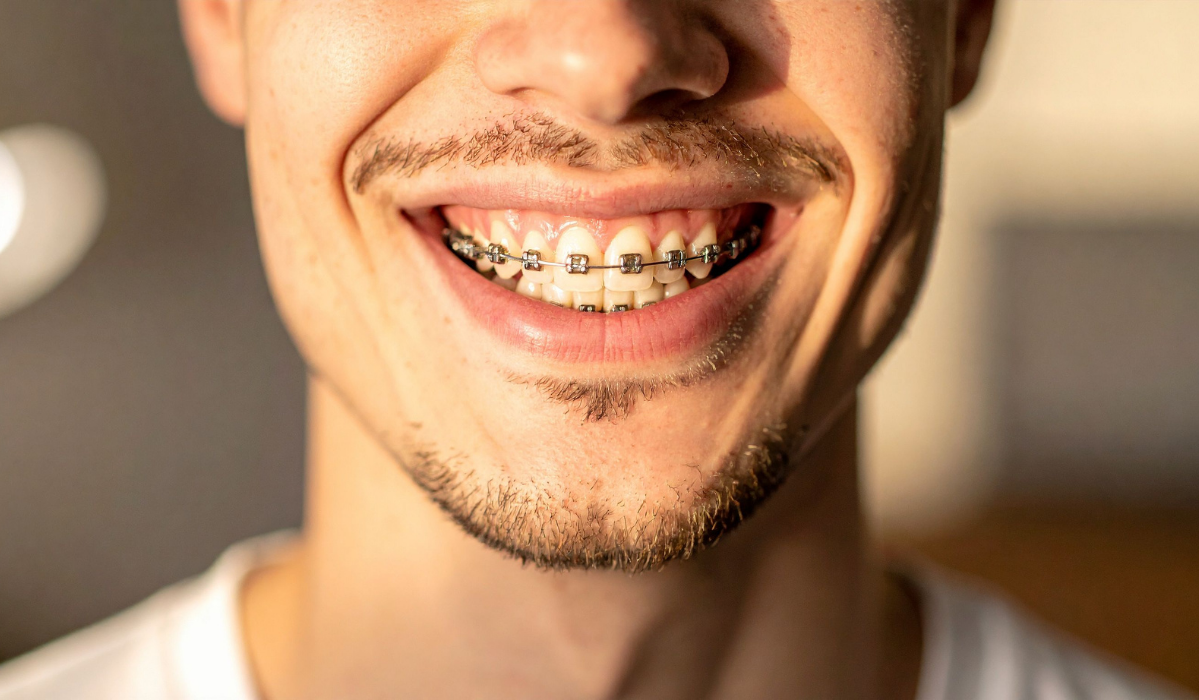
More adults are seeking orthodontic treatment today than at any other point in dental history. According to the Canadian Association of Orthodontists, adults now represent a significant and growing portion of orthodontic patients across the country. The reasons vary. Some adults never had the opportunity for treatment as teenagers. Others had braces years ago and have experienced relapse, where teeth gradually shift back over time. Many simply reach a point in their professional lives where they feel ready to invest in their smile.
Whatever the reason, consulting an orthodontist as an adult is a completely reasonable and practical decision. The process looks a little different than it does for teenagers, but with the right approach, it fits smoothly into a demanding professional life. This guide covers the most important things adult patients need to know, from choosing a discreet treatment option to managing appointments around a busy work schedule.
Why Adults Seek an Orthodontist Later in Life
Adult teeth can be moved at any age. The biological process is the same as it is in younger patients. Controlled pressure applied over time causes bone remodelling around the tooth roots, allowing teeth to shift into new positions gradually.
What is different for adults is the starting point. Adult bone is denser than adolescent bone, which can mean treatment takes slightly longer in some cases. Adults are also more likely to have existing dental work, including crowns, veneers, bridges, or implants, that needs to be accounted for during treatment planning. Some adults have mild bone loss from past gum disease, which requires evaluation before orthodontic forces are applied.
None of these factors automatically disqualify someone from treatment. They simply mean that a thorough assessment with an orthodontist is essential before starting. At Pavilion Dentistry in St. Catharines, adult orthodontic consultations include a full review of dental history and current oral health before any treatment recommendations are made.
Discreet Treatment Options for Professional Adults
The most common concern adult patients raise is visibility. Many professionals are simply not comfortable wearing visible metal braces in client meetings, presentations, or daily workplace interactions. This is one area where modern orthodontics has genuinely expanded its options.
Clear Aligner Systems
Clear aligners are currently the most popular choice among adult orthodontic patients. Systems like Invisalign use a series of custom-fabricated, removable trays made from smooth, transparent plastic. Each tray shifts the teeth incrementally. Most people around you will not notice them at all during conversation or in photographs.
The removable nature of aligners is a significant advantage for professionals. Aligners come out for meals, client dinners, and presentations where you want complete confidence in your appearance. They go back in immediately after. The requirement is consistent wear of 20 to 22 hours per day, which is manageable for most adults once a daily routine is established.
Clear aligners work well for mild to moderate crowding, spacing, and many bite issues. More complex cases may still require other appliances or attachments, small tooth-coloured bumps bonded to the teeth that help aligners grip and move specific teeth more precisely. These attachments are nearly invisible on their own but are worth discussing with your orthodontist during the planning stage.
Ceramic Braces
Ceramic braces function the same way as traditional metal braces but use tooth-coloured or clear brackets instead of metal ones. From a distance, they blend naturally with the teeth and are far less noticeable than standard metal hardware. The wire connecting the brackets is typically silver, though tooth-coloured wires are available at some practices.
Ceramic braces are a good option for patients who need the precision of fixed appliances but want a more discreet appearance. They do require the same dietary restrictions as metal braces and can stain slightly if exposed to heavy coffee, tea, or red wine consumption. With reasonable care, they remain relatively inconspicuous throughout treatment.
Lingual Braces
Lingual braces are one of the most discreet options available and remain largely unknown outside of orthodontic circles. Unlike conventional braces, which are bonded to the front surface of the teeth, lingual braces are placed on the back surface, the side that faces the tongue. From the outside, they are completely invisible.
The trade-off is a period of adjustment. Because the brackets sit against the tongue, most patients experience some temporary speech changes and tongue irritation in the first few weeks. This discomfort resolves as the mouth adapts, but it is worth factoring in when timing treatment around major presentations or speaking engagements.
Lingual braces are custom-fabricated for each patient and require a high level of clinical skill to place and adjust. Not every dental practice offers them. If this option interests you, it is worth asking your orthodontist whether they are available and appropriate for your case.
Managing Orthodontic Appointments Around a Professional Schedule
One of the most practical concerns for working adults is time. Orthodontic treatment requires regular appointments, and finding time in a demanding schedule can feel like a barrier before treatment even begins.
The good news is that adult orthodontic appointments are generally shorter and less frequent than many patients expect.
Appointment Frequency by Treatment Type
Clear aligner check-ins typically occur every six to eight weeks. At each visit, your orthodontist confirms that the teeth are tracking correctly with the current aligner series and releases the next sets of trays. Many of these appointments take 20 to 30 minutes. Because the treatment is digitally planned from the start, check-ins are often routine and efficient.
Traditional or ceramic braces require adjustment appointments every four to six weeks. The wire is tightened or changed to keep treatment progressing. These appointments typically run 30 to 45 minutes, though the timing can vary.
Lingual brace adjustments tend to take slightly longer due to the positioning of the brackets. Appointments may run 45 minutes to an hour and are generally scheduled every four to eight weeks depending on the phase of treatment.
Planning Around Business Travel
Business travel is a genuine consideration for patients who are frequently away from their home city. The approach differs slightly depending on your treatment type.
For clear aligner patients, travel is relatively straightforward. Each new aligner set is provided several weeks in advance, so you can advance to the next tray on schedule even when you are away. Your orthodontist will confirm the timing and advise when it is appropriate to move to the next set. Missing a routine check-in appointment for a week or two is usually manageable with clear aligners, as long as teeth are tracking well.
For fixed appliance patients, broken brackets or popped wires during travel can be more disruptive. Carrying a small orthodontic kit with dental wax and a nail clipper for trimming sharp wire ends is practical preparation. Most urgent issues can be managed temporarily until you return. If you travel internationally or for extended periods, discuss this with your orthodontist before treatment begins so the appointment schedule can be planned accordingly.
Pavilion Dentistry, located in downtown St. Catharines on Queen Street, offers appointment times that accommodate working patients. Calling ahead to discuss your schedule and travel commitments is always welcome, and the team is experienced in working around the realities of a professional lifestyle.
Confidence During Treatment: Navigating the Social and Professional Side
Even with discreet treatment options, some adults feel self-conscious during orthodontic treatment. This is natural. The key is reframing the experience and having a few practical strategies in place.
Own the Process
Most adults who mention their orthodontic treatment find that colleagues and clients respond positively or neutrally. Saying simply that you are working on your smile tends to be met with support rather than judgement. Adults pursuing self-improvement are generally respected in professional contexts. You do not owe anyone an explanation, but if it comes up, a confident, brief response is usually all that is needed.
Prepare for Key Events
If you have a major presentation, conference, or event coming up, discuss the timing with your orthodontist. In some cases, treatment can be timed to begin after a significant event. For clear aligner patients, removing trays during a high-stakes presentation is always an option for a short window of time, as long as it does not become a habit.
For lingual brace patients who are managing early speech adjustments, practising speaking aloud at home before important events helps significantly. Reading out loud, rehearsing presentations, and simply talking more during the day accelerates the adaptation process.
Focus on the Outcome
It helps to keep the end goal in mind. Orthodontic treatment for adults typically runs anywhere from 12 to 24 months depending on the complexity of the case. That is a defined period of time with a clear finish line. Many adults find that once they commit and get past the first few weeks, treatment becomes part of their routine and fades into the background of daily life.
What to Expect at Your First Orthodontic Consultation
The consultation is low-commitment and informative. Your orthodontist will take X-rays and possibly digital scans or photographs, review your dental history, and discuss your goals. From there, they will explain which treatment options are appropriate for your case, give you an estimated timeline, and walk you through the expected investment.
There is no obligation to begin treatment at the consultation. Many adults come in simply to understand their options before making a decision. That is exactly what the appointment is designed for.
Book Your Adult Orthodontic Consultation in St. Catharines
If you have been thinking about straightening your teeth but have put it off because of professional concerns, this is a good time to revisit that decision. The options available to adult patients today are more discreet, more flexible, and more effective than they were even a decade ago.
Pavilion Dentistry is located at 59 Queen Street in St. Catharines and welcomes adult patients exploring orthodontic treatment for the first time or returning after previous treatment. The team understands the specific needs of professional adults and is happy to discuss how treatment can work around your life rather than disrupting it.
Call 905-641-2242 to book your consultation with an orthodontist and take the first step toward a smile that reflects the confidence you already carry into every room

0 Comments